

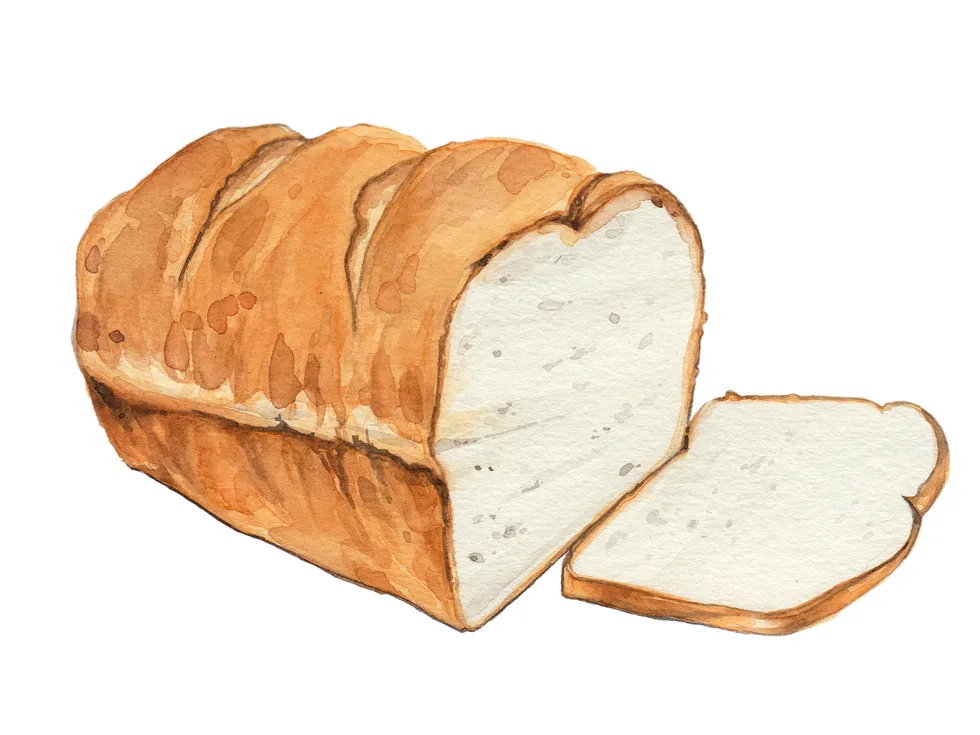
Ingredients
Method
1.In a large bowl combine the dry ingredients. In a small bowl combine the hot water, milk and butter to make a warm liquid.
2.Stir the warm liquid into the dry ingredients and mix well to make a soft dough. (Use more or less liquid as needed to make a soft dough; if you add too much liquid, knead in extra flour. Dry dough is difficult to work and takes a long time to knead.)
3.Turn dough onto a floured bench and knead well, stretching and turning dough for 5-10 minutes until smooth, elastic and satiny. If necessary, add a little extra flour if dough is sticking.
4.Place the dough in a greased bowl, flip it over once to grease the top of the dough and leave it to rise in a warm place until doubled in size (about 40 minutes to 1 hour). I usually place the bowl in a plastic bag, which acts like a greenhouse, trapping warm moist air around the dough to create the optimum temperature for rising. (You can speed up the rising process with a microwave: give the dough 1 minute on low power, rest it for 10 minutes, then repeat once more.)
5.When dough has doubled, knead lightly then place in a greased loaf tin, or shape into a farmhouse loaf on a greased baking sheet. Place on top of the oven to keep warm and continue rising while you preheat oven to 200°C.
6.When the dough has doubled in size (about 40 minutes to 1 hour), bake it for 30 minutes. It should be golden and sound hollow when tapped on the bottom. Remove from tin immediately and cool on a rack.

Related stories

Native ad body.
Sponsored by %%sponsor_name%%

Native ad body.
Sponsored by %%sponsor_name%%


Native ad body.
Sponsored by %%sponsor_name%%


Native ad body.
Sponsored by %%sponsor_name%%

BONUS Elizabeth Arden gift
Subscribe & receive a powder blush from Elizabeth Arden
